What changed at Teach to Reach 16?
On 6 August 2026, at Teach to Reach 16, health workers from more than 50 countries joined the sixteenth edition of the world’s largest peer learning…
Featured
On 6 August 2026, at Teach to Reach 16, health workers from more than 50 countries joined the sixteenth edition of the world’s largest peer learning…
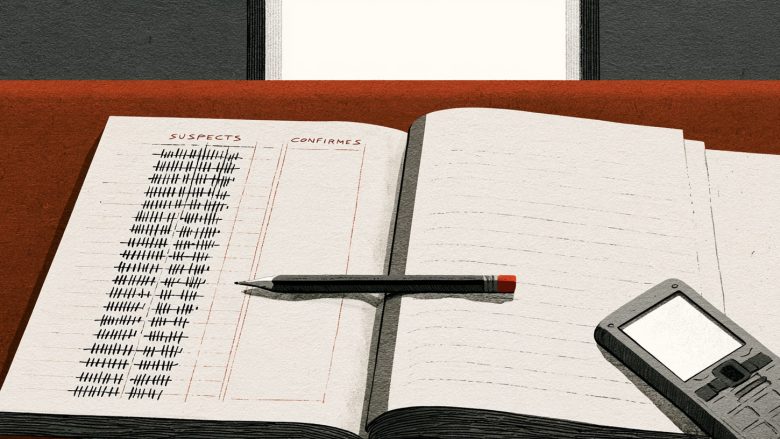
In online learning, 95 people out of a 100 quit. A network of health workers from malaria-endemic countries spent one summer proving that this is a…
What do a rapid test, a preventive medicine, and a bed net have in common? Every one of them, somewhere, has met a parent who said…
You are stuck on a problem at work. A colleague in another country has already solved it. How can you connect? Request your invitation to join…
The Geneva Learning Foundation runs peer learning for the people who deliver health care where it is hardest to deliver. Its courses ask participants not for…
258 health workers. 1,534 real stories. One question: how do we turn the tide against malaria? In Teach to Reach 16, the Geneva Learning Foundation gives…
Latest
What do we do when we are confronted with a problem? Problem solving begins when we encounter a new experience. We do this out of necessity,…
Learning that is embedded into work resolves the dilemmas of (formal) learning that requires stopping work. What we learn as we work, we learn in order…
How much of what we learn is through informal and incidental learning? When asked to reflect on where we learned (and continue to learn) what we…
Stopping work to learn remains the ideal. After all, many of us carry the memory of residential higher education as a powerful moment of personal growth,…
This morning, I’m looking forward to the London launch event for Save The Children’s Humanitarian Leadership Academy, touted by the Guardian as the “world’s first academy for…
We live in a “workshop culture”. On the one hand, it is costly and exclusionary. Few can afford to travel, and the organization finds it more…
We recognize that large-scale, complex emergencies have a dramatic impact on many aspects of our work, including what and how we learn. Some may feel, based…
Applicability is the brick wall of formal training approaches. Not only do we first have to stop work to attend a training, but once the training is…
Formal learning in the past includes formal education and qualifications obtained. They serve as credentials of value to establish that we know – part of building relationships of…